

Recognizing the Signs of Overthinking
Anxiety and Overthinking
For the Woman Who’s Functioning on the Outside and Running on Overdrive on the Inside.
Therapy for Women in Georgia, Florida, NC & SC
Brain Won’t Stop Running?
At some point, your nervous system learned it needed to stay alert.
For most of the women I work with, anxiety and the signs of overthinking doesn’t look like panic attacks or an inability to function. It looks like a brain that is always one step ahead of itself, already mapping out what could go wrong, already rehearsing how to handle it. It feels like a low hum underneath everything, present even when life is going well, impossible to fully turn off.
The overthinking isn’t separate from the rest of your life. It’s woven into everything. You replay the meeting after it ends. You draft responses to texts before you send them. You wake up at 2am with your brain already running through tomorrow’s list. And somewhere underneath all of it is the nagging feeling that no matter how much you prepare, it still might not be enough.
The fact that your life looks stable from the outside doesn’t mean the anxiety isn’t real. High-functioning anxiety is still anxiety. It still costs something. It costs sleep, and rest, and the ability to actually be present in the moments you’ve worked hard to build. The energy it takes to keep it managed is its own kind of exhaustion.
If you’ve been trying to think your way out of this and it hasn’t worked, there’s a reason for that. This page is here to help you understand what’s happening, and what it looks like to work through it in a way that goes deeper than managing the symptoms.
What Nobody's Saying Out LoudWhat Anxiety and Overthinking Look Like in Your Daily Life
They’re signals from a nervous system that learned, at some point, that staying vigilant was the safest way to move through the world. The patterns make sense. They just don’t have to stay this way.
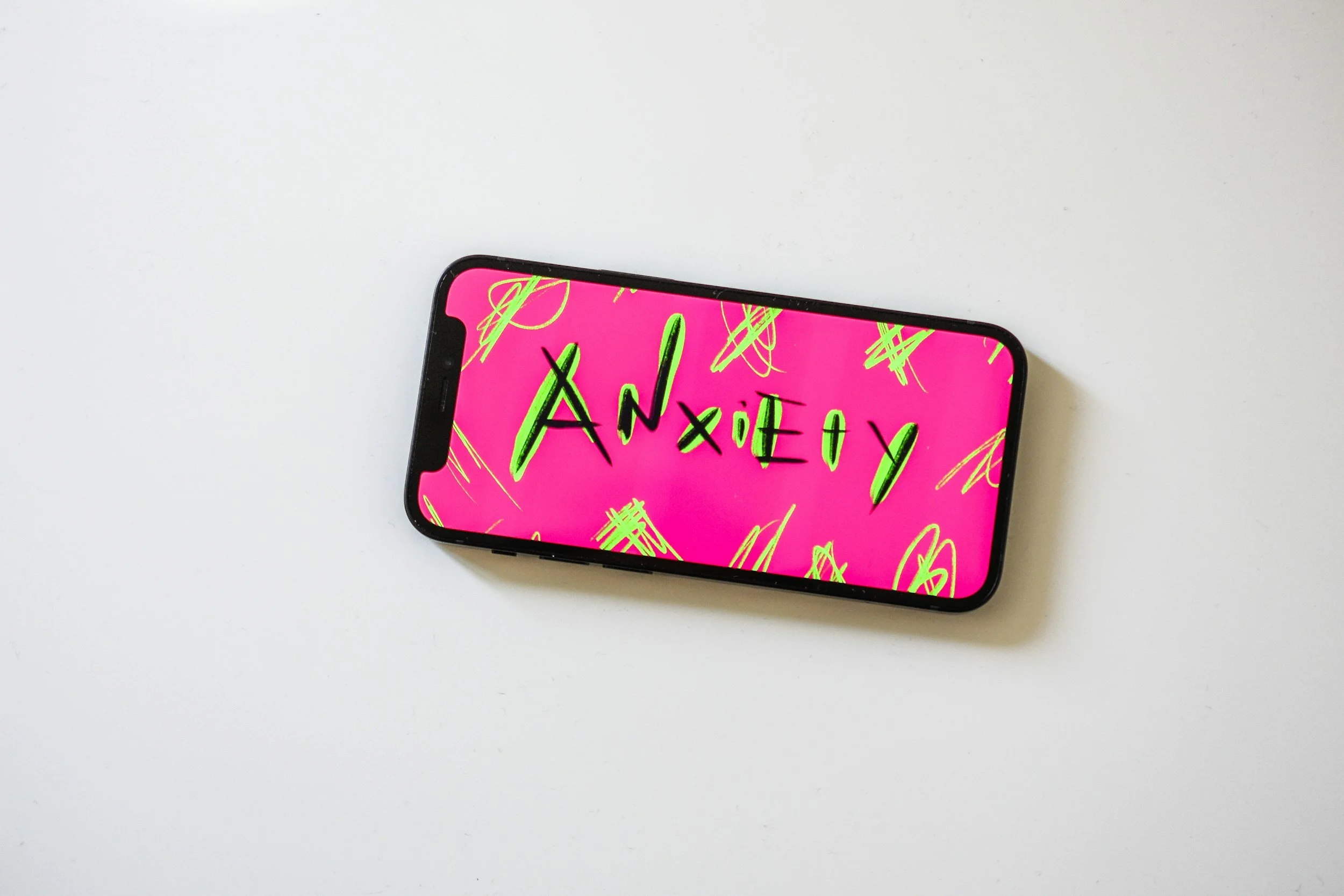
For women who are used to keeping it together, anxiety and overthinking tend to show up like this:
You run through every possible outcome before making a decision
You replay conversations hours or days after they’ve ended
You have a hard time being present, even in good moments
Rest makes you uncomfortable.
You snap at someone and immediately hate yourself for it.
You wake up already “thinking”.
Your body is on high alert until you know everyone is ok.
Life is fine, but you still feel like something is about to go wrong.
There’s a Reason This Keeps HappeningThe Signs of Overthinking Are Your Nervous System Trying to Protect You
Anxiety and overthinking are adaptations. And once you understand what they were adapting to, you can actually start to shift them.
When you’ve spent years being the person everyone counts on, the one who handles things, who shows up, who holds it together, your nervous system doesn’t get the message that it can relax. It stays on. It learned that staying alert kept things from falling apart. It learned that thinking ahead, preparing for every outcome, and managing every variable was how you kept yourself and the people around you safe. Of course it’s still doing that. Nobody told it anything different was possible.
ROOT CAUSES:
A nervous system that learned early that staying alert and prepared was safer than being caught off guard.
Environments where performance and output were consistently rewarded over rest and emotional expression.
Relational dynamics, at home, at work, or both, where being the responsible one was the role you were handed and kept.
Cultural or family expectations that left little room to show uncertainty, vulnerability, or the need for support.
The Patterns That Show Up When Anxiety Is Running the Show
The internal experience of anxiety is only part of the picture. Here’s how it tends to show up in your work, your relationships, and your relationship with yourself.
At Work, It Looks Like This
You set a high bar and absolutely hold yourself to it. A good performance review doesn’t settle the anxiety, it raises the stakes for next time. You overprepare for meetings, over-explain in emails, and struggle to delegate because handing something off feels riskier than just doing it yourself. The output keeps going up. The sense of having done enough never arrives.
In Relationships, It Looks Like This
You monitor the emotional temperature of every room you walk into. You can tell when someone is slightly off before they’ve said a word, and you immediately start trying to figure out if it’s about you and what you should do about it. You hold back in conflict because you’re already rehearsing the fallout. And you take care of everyone else’s comfort so consistently that asking for your own feels like an imposition.
With Yourself, It Looks Like This
You don’t give yourself permission to rest without earning it first. When you do sit still, your brain fills the space immediately with what you should be doing, what you haven’t finished, what you might be missing. The inner voice that narrates your days is direct, relentless, and rarely kind. And somewhere underneath the productivity and the forward motion is the quiet fear that if you slowed down, you’d have to feel something you’ve been successfully outrunning.
How We Work on This Together
What I hear in session:
“I know I’m overthinking it. I just can’t make myself stop.”
“I’m fine. I’m always fine. I just can’t actually relax.”
“I don’t know why I’m anxious. Nothing is even wrong.”
“I think I’m just a worrier. It’s always been this way.”
“Bad nerves run in my family.”
What We’re Actually Working Toward
The goal isn’t to eliminate anxiety.
It’s to change your relationship with it.
To understand what it’s responding to.
To give your nervous system something different to do with that signal.
So the spiral stops feeling like the only option.
And rest stops feeling like a risk.
Here’s How We Work on It
We slow down enough to hear what the anxiety is actually responding to.
We use body-based practices, breathwork, grounding, and somatic awareness to help calm your nervous system
We identify patterns and build a different way of moving through uncertainty.
Support Available Across Four StatesAll the Ways I Can Help
Individual therapy, therapy intensives, and upcoming wellness groups are available to women across Georgia, Florida, North Carolina, and South Carolina.
Explore the options to find the format that fits where you are right now.

Overthinking is not who you are.
It’s what your nervous system learned.
When you’re ready to understand what’s driving the pattern and actually do something about it, the next step is simple. Schedule a free consultation and let’s talk about what’s going on and what working together could look like.