

Recognizing the Signs of Burnout in Women
Burnout and Over-Functioning
For the Woman Who Has Been the Strong One for So Long She’s Forgotten What It Feels Like Not to Be Exhausted.
Therapy for Women in Georgia, Florida, NC & SC
The Woman Who Keeps Going…..
When Everything in Her Body Is Asking Her to Stop
For most of the people I work with, signs of burnout in women doesn’t arrive as a collapse. It arrives as a slow realization that something has been depleted for a long time. You’re still functioning. You’re still delivering. But underneath the doing is a kind of bone-deep tiredness that a weekend, a vacation, or a good night’s sleep can’t seem to touch. The tank is running on something other than full, and has been for a while.
Over-functioning is how burnout gets built. It’s the pattern of saying yes when you mean no, of managing everyone else’s needs before your own, of treating rest as something to earn rather than something you deserve. It looks like competence from the outside. From the inside, it feels like running a race with no finish line.
The fact that you’re still showing up, still producing, still being the person everyone counts on doesn’t mean the exhaustion isn’t real. It means you’re very good at pushing through. But pushing through has a cost, and that cost tends to collect over time: in your body, in your relationships, in the growing distance between who you are on paper and how you actually feel.
If you’ve been waiting to slow down until things are less busy, and the busy never seems to end, there’s something worth understanding about that pattern. This page is here to help you see what burnout and over-functioning are, where they come from, and what it looks like to work through them in a way that addresses the root rather than just the symptoms.
What Nobody's Saying Out LoudWhat Burnout and Over-Functioning Look Like in Your Daily Life
For women who are used to being the one who handles things, burnout and over-functioning tend to show up like this:
You’re always doing something….. for someone.
You know you’re tired, but you also don’t feel like you can stop.
You take on more even when you’re already at capacity.
Rest doesn’t restore you the way it used to.
You’ve started to notice that you’re going through the motions.
Your body is giving you signals: headaches, tension, getting sick more often, trouble sleeping.
You feel resentment toward the people and responsibilities you love
The version of yourself that feels easy, present, and grounded feels very far away.
These are signs that a nervous system has been carrying more than it was designed to carry, for longer than it should have had to. The pattern makes sense. And with the right kind of support, it can shift.

There’s a Reason You Can’t Just StopThe Signs of Burnout in Women Who Have Been Strong for Too Many People for Too Long.
When you’ve spent years being the one everyone depends on, when being reliable, capable, and available is woven into how you understand your own value, your nervous system doesn’t get the message that it’s okay to stop. It keeps going. It keeps producing. It keeps saying yes. Because the cost of stopping, the guilt, the fear that things will fall apart, has always felt higher than the cost of pushing through. Of course you’re burned out. The question is how long can you keep doing this.
ROOT CAUSES:
A nervous system shaped by environments where being useful, responsible, or capable was how you earned love, belonging, or safety.
Family systems, cultural expectations, or relational dynamics that placed you in a caregiving or providing role long before you had the capacity to hold it.
Achievement-driven environments that consistently rewarded output and penalized rest, until doing more became the only setting you knew.
Being the first in your family to carry a certain kind of weight, with no model for what it looks like to put it down without everything falling apart.
Burnout and over-functioning happen something was learned, early and often, about what your worth is connected to and what happens when you put yourself first.
The Patterns That Show Up When Burnout and Anxiety Is Running the Show
The internal experience of burnout is exhaustion and depletion. Here’s how it tends to show up in your work, your relationships, and your relationship with yourself.
At Work, It Looks Like This
You’re one of the most reliable people in any room you walk into, and that reputation has become its own kind of trap. You take on more because you’re capable, and being capable has always meant doing more. You struggle to delegate because handing something off feels risky, and because if something goes wrong, you’d rather it be because of what you didn’t do than what someone else did. The output keeps going. The sense of meaning underneath it has quietly faded.
In Relationships, It Looks Like This
You are the person people come to. You problem-solve, you show up, you make things easier for everyone around you. And underneath that, there’s a growing resentment you can’t quite name, because you’ve been giving from a place of depletion for so long that there’s very little left when it’s your turn to receive. Asking for help feels uncomfortable, almost foreign. Letting someone take care of you feels harder than just handling it yourself.
With Yourself, It Looks Like This
You treat rest as something to earn, not something you’re entitled to. Self-care on your terms looks like squeezing recovery into the margins of an already full life, not actually giving yourself space to stop. You’re not sure what you want when nobody needs anything from you, because there’s rarely been enough stillness to find out. And somewhere underneath all of the doing is a quiet question you haven’t given yourself permission to ask: who am I when I’m not being useful to someone?
How We Work on This Together
What I hear in session:
“I don’t know how to just do nothing. I feel guilty the second I stop.”
“I’m resentful, and I hate that I’m resentful. These are people I love.”
“I feel like if I stop, everything will fall apart. So I don’t stop.”
“I know I need to slow down. I just don’t know how.”
“I don’t even know what I want anymore. I just know I’m tired.”
What We’re Actually Working Toward
Not emptying your calendar.
Not becoming someone who doesn’t care.
Not learning to manage the burnout better.
Working toward choices that come from what you actually want, rather than guilt, obligation, or the fear of what happens if you stop.
Rest that actually restores you.
A sense of self that doesn’t depend entirely on what you’re doing for someone else.
Here’s How We Work on It
We get underneath the over-functioning pattern to understand it’s function.
We get curious about the part of you that can’t stop, what it believes would happen if it did, and what it actually needs.
We work with your body, because burnout isn’t just mental.
We explore your relationship with rest, receiving, and asking for support,
We look at the specific roles, relationships, and patterns that are keeping the over-functioning in place.
Support Available Across Four StatesAll the Ways I Can Help
Individual therapy, therapy intensives, and upcoming wellness groups are available to women across Georgia, Florida, North Carolina, and South Carolina.
Explore the options to find the format that fits where you are right now.
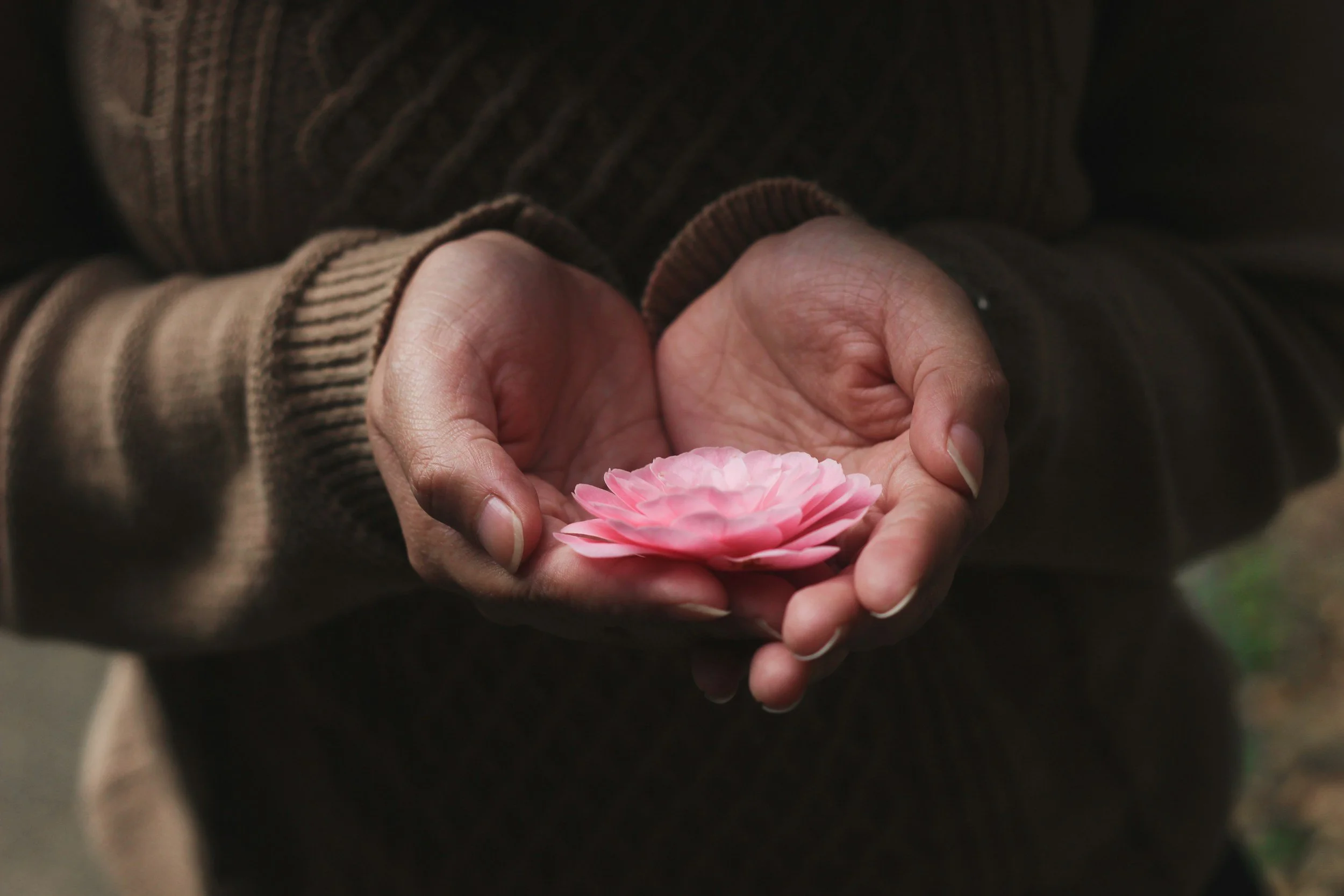
You were not built to give endlessly without ever being filled back up.
Something else is possible.
When you’re ready to understand what’s underneath the exhaustion and do something real about it, the next step is simple. Schedule a free consultation and let’s talk about what’s going on and what working together could look like.